Cultural perspectives on gambling understanding differences across the globe
Historical Context of Gambling
The history of gambling is as diverse as the cultures that engage in it. From ancient civilizations that used rudimentary forms of dice to modern, complex casino systems, gambling has evolved over centuries. For example, in ancient China, gambling was documented as far back as 2300 BC, involving games like Keno. These early forms of gambling often had cultural significance, serving not only as entertainment but also as a means of social bonding and community interaction. Many enthusiasts find resources like zetbetbonus.com particularly helpful when exploring the modern implications of these historical practices.
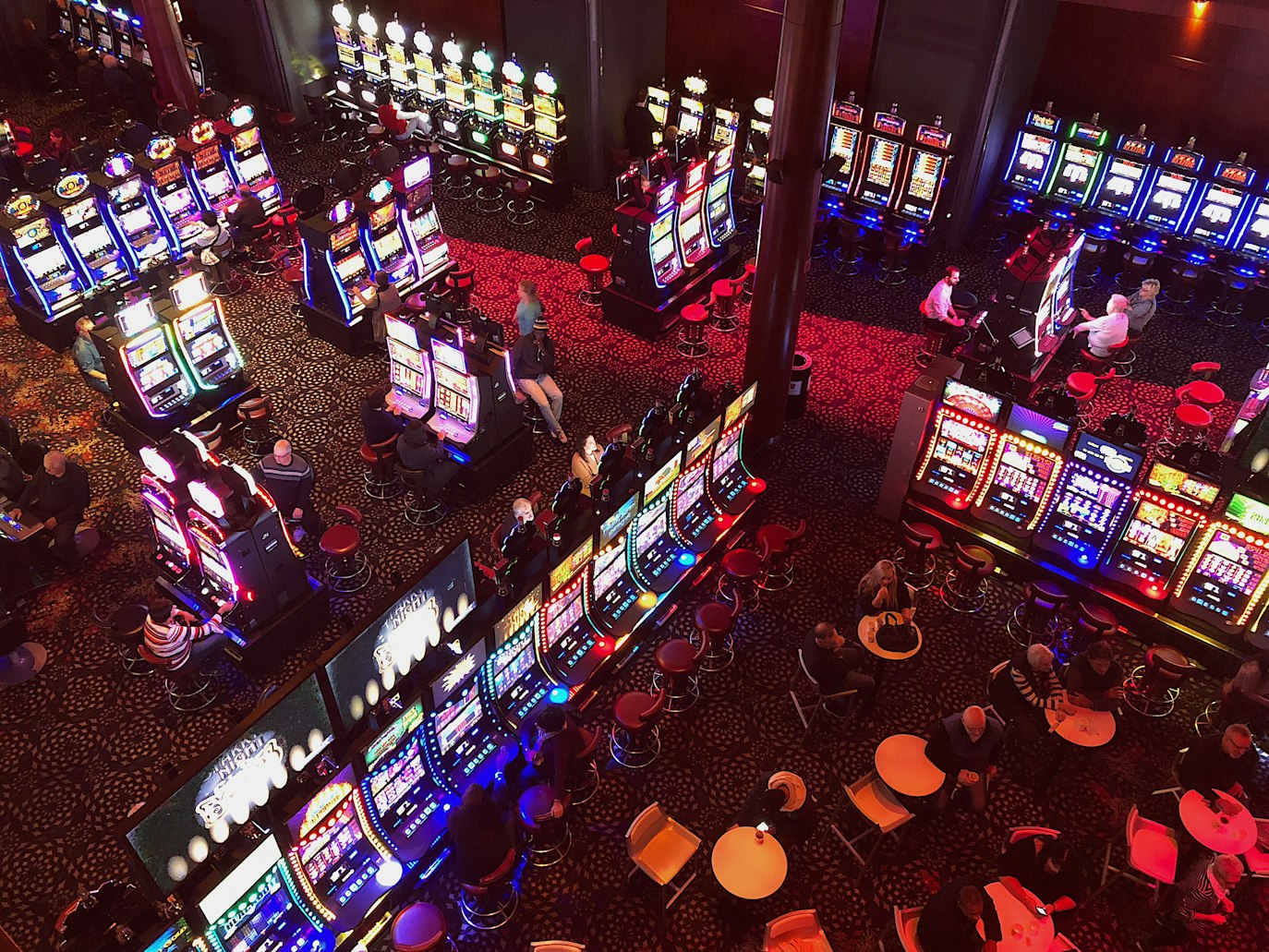
In contrast, the origins of gambling in the Western world can be traced back to the Roman Empire, where dice games were popular among soldiers and civilians alike. The Romans introduced betting on gladiatorial games, further intertwining gambling with social and political life. Such historical roots highlight how gambling practices can reflect the values and structures of society. As civilizations advanced, these activities transformed into regulated forms, leading to the establishment of modern casinos.
Understanding these historical contexts is essential for grasping contemporary perspectives on gambling. Different cultures carry unique beliefs about luck and fortune, often tied to their historical experiences. As a result, gambling’s acceptance and regulation vary significantly, reflecting local customs, laws, and ethical considerations. For instance, in countries where gambling has been historically shunned, it often still carries a stigma, influencing modern attitudes toward gambling.
Cultural Attitudes Towards Gambling
Cultural attitudes towards gambling can vary dramatically, often influenced by religious beliefs and social norms. In many Islamic countries, gambling is strictly prohibited due to religious tenets, leading to a clear societal stance against all forms of betting. This prohibition manifests in laws that make gambling not only illegal but also socially unacceptable, which in turn shapes the cultural identity of those societies. The cultural framework here underscores an overarching view of gambling as detrimental to moral values.
Conversely, in cultures such as those in parts of Europe and the Americas, gambling is often viewed as a legitimate form of entertainment. Countries like Las Vegas in the United States and Monaco in Europe have built entire economies around gambling, symbolizing freedom and choice. These regions celebrate gambling as a thrilling pastime that draws millions of tourists, showcasing a stark contrast in cultural perspectives. The underlying economic benefits reinforce positive attitudes towards gambling in these cultures.
Furthermore, in Asian cultures, gambling occupies a unique space, often linked to family gatherings and traditional festivals. Games like Mah Jong and Pai Gow are staples in many homes, representing not just the thrill of chance but also the importance of community. These cultural practices reflect a blend of gambling with social rituals, showcasing how perspectives can transform an activity into a meaningful tradition rather than merely a pastime.
Regulation and Legal Frameworks
The legal frameworks surrounding gambling often reflect the cultural attitudes of a society. In countries with a permissive approach, such as Australia and the United Kingdom, regulations are designed to protect players while enabling the industry to thrive. These regulations include age restrictions, responsible gambling initiatives, and taxes that fund social programs. The approach acknowledges gambling as a popular activity while attempting to mitigate potential negative effects, such as addiction.
In contrast, in nations where gambling is heavily restricted or banned, such as many Middle Eastern countries, the legal framework reflects a desire to maintain cultural integrity. Illegal gambling rings often exist underground, highlighting a significant gap between societal behavior and legal restrictions. Such discrepancies can foster a culture of secrecy and stigma, further complicating the perception of gambling within those societies.
Moreover, the regulatory landscape is continually evolving as societies grapple with the implications of online gambling and the rise of technology. Countries are increasingly challenged to adapt their laws to address these changes, often leading to debates about personal freedom versus societal protection. The differing approaches to gambling regulation illustrate the complexity of balancing cultural values with modern economic realities.
Gambling and Social Issues
The interplay between gambling and social issues is a critical aspect of understanding cultural perspectives. In some societies, gambling is seen as a harmless form of entertainment, while in others, it is associated with addiction and social problems. For instance, in countries like Canada and New Zealand, there are concerted efforts to promote responsible gambling to combat addiction. Social campaigns aim to educate the public about risks, addressing concerns that gambling can lead to financial ruin and family strife.
Conversely, in cultures where gambling is heavily stigmatized, the social consequences can be more pronounced. Individuals who engage in gambling may face ostracism or judgment, leading to a reluctance to seek help for gambling-related issues. This stigma can perpetuate the cycle of addiction, making it difficult for individuals to recover. Societal perceptions can significantly influence how support systems are structured, impacting the overall well-being of those affected.
Furthermore, the relationship between gambling and economic disparity is worth exploring. In many cultures, lower-income communities often face a higher incidence of gambling-related problems. The accessibility of gambling venues can lead to disproportionate effects on these populations, prompting discussions about ethics and responsibility in the gambling industry. Recognizing these social issues is vital for developing comprehensive policies that address the complex realities of gambling in various cultural contexts.

Insights from ZetBet Bonus
ZetBet Bonus provides an invaluable resource for understanding gambling across different cultures. The platform offers insights into various bonus offers, enabling users to compare options and navigate the complexities of modern gambling. By showcasing different promotional strategies, ZetBet Bonus caters to both newcomers and seasoned players, enhancing the gaming experience with valuable information.
The user-friendly interface of ZetBet Bonus empowers individuals to make informed decisions when engaging in gambling activities. By outlining terms and conditions clearly, the platform fosters transparency and accountability, which are essential in responsible gambling practices. Such tools are particularly beneficial in cultures where gambling carries significant stigma, as they can help demystify the process and encourage healthier engagement.
Moreover, by providing continuous support and updates, ZetBet Bonus positions itself as a leader in the gambling community. The commitment to educating users about various bonuses and the intricacies of the gambling world aligns with the broader goal of promoting responsible gaming. In a landscape where cultural perspectives on gambling are diverse and nuanced, platforms like ZetBet Bonus play a crucial role in bridging gaps and fostering understanding.